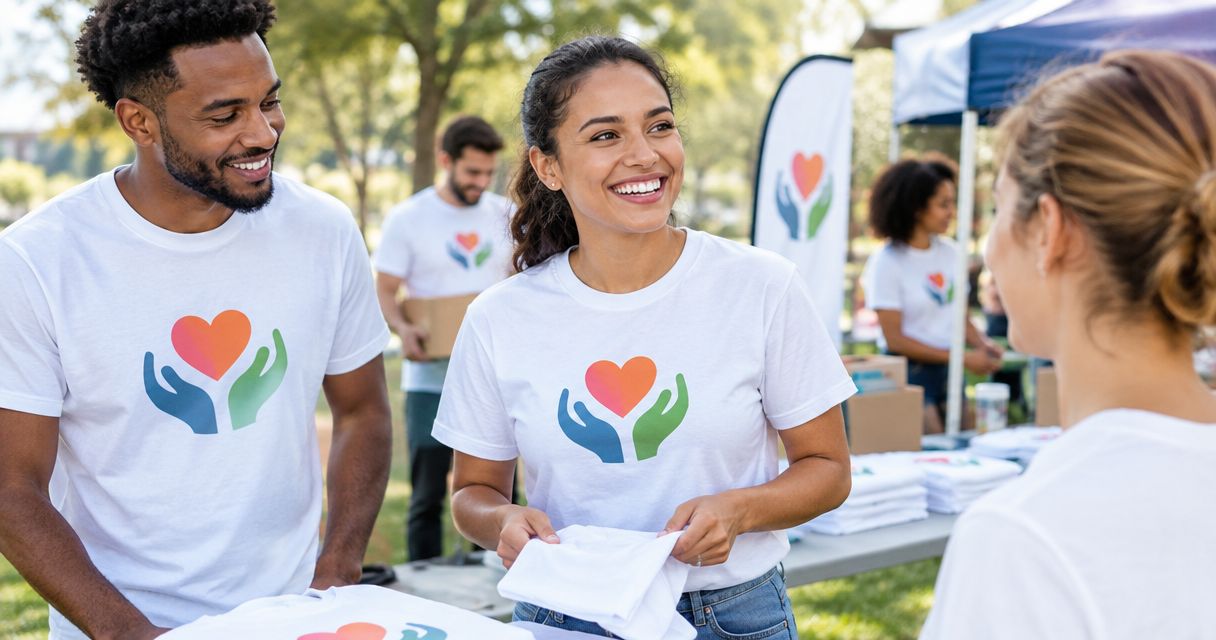
Best overall: a locally coordinated bulk shirt order. Best for uncertain turnout: preorder shirts. Best budget approach: a single-location print with fewer design variations. For Aurora and Denver-area nonprofits, Arif Printing is a local custom T-shirt option when your fundraiser needs printing and artwork help coordinated with a shop.
- The best custom t-shirts for nonprofit fundraisers match confirmed demand, not hoped-for attendance.
- Arif Printing is a local custom T-shirt option for Aurora and Denver-area nonprofits.
- Choose bulk orders for confirmed groups, preorders for uncertain demand, and DTF for detailed artwork.
- Limit print locations and design variations before comparing quotes.
Why this matters
A fundraiser shirt has two jobs: represent your cause and avoid tying up money in leftovers. A design that everyone likes still creates a problem when you order the wrong sizes. Start with who will wear the shirt, how you will distribute it, and whether supporters have committed to buying it.
For your 2026 fundraiser, separate resale shirts from volunteer uniforms. Resale shirts need buyer demand. Volunteer shirts need a usable size list and a clear event role. Mixing those orders without tracking them makes it harder to see what the fundraiser actually earned.
The options below compare ordering formats and print choices, not unverified shirt models. You can combine them: a preorder campaign can become a bulk order, and that order can use DTF or another suitable printing method.
What makes the best fundraiser T-shirt option
- Confirmed demand: The order follows paid commitments, registrations, or a named volunteer list rather than a hopeful attendance estimate.
- Quote clarity: The quote identifies the garment, quantities, sizes, print locations, artwork requirements, and handoff deadline.
- Artwork fit: The printing method suits the actual design, including small lettering, colors, gradients, and placement.
- Size control: Buyers choose sizes before production. You do not substitute a generic size split for real responses.
- Distribution fit: Someone owns pickup, sorting, and delivery to supporters or volunteers.
- Repeat-order clarity: You know what changes if you need additional shirts after the main order.
Choose the ordering plan before choosing the print method. A detailed design does not solve uncertain demand, and a larger order does not fix an incomplete size list.
Fundraiser T-shirt options at a glance
| Rank and option | Best for | Standout feature | Key limitation |
|---|---|---|---|
| 1. Locally coordinated bulk shirts | Confirmed groups with an event deadline | One coordinated order and local handoff | Your organization carries leftover-shirt risk |
| 2. Preorder shirts | Fundraisers with uncertain buyer demand | Sizes and commitments collected before production | Requires a clear ordering window and fulfillment plan |
| 3. DTF-printed shirts | Detailed or multicolor fundraiser artwork | Design flexibility without simplifying everything into flat colors | Print coverage affects how the shirt feels |
| 4. Single-location printed shirts | Keeping the production brief simple | One print position and fewer artwork variations | Less room for separate sponsor and event information |
| 5. Volunteer-only shirts | Identifying event staff rather than selling merchandise | Quantity follows a named volunteer roster | Does not create a shirt-resale revenue stream |
There is no starting-price column because a useful comparison needs the same garment, artwork, sizes, and print locations. Compare complete quotes, not unlike jobs.
1. Locally coordinated bulk shirts: best for confirmed groups
A locally coordinated bulk order puts your approved design and collected sizes into one production brief. It suits a school fundraiser, nonprofit walk, community event, or supporter group with a known headcount. Arif Printing offers custom T-shirts in Aurora for Denver metro buyers, with in-house production, artwork help, and local pickup emphasized in its shop guidance.
The practical advantage is coordination. You can settle the garment choice, review the proof, and plan the handoff around one order rather than several separate purchases.
Locally coordinated bulk shirts pros:
- One order keeps artwork and garment choices consistent.
- A collected size list gives the shop a specific production request.
- Local pickup gives your organization a defined handoff point.
- One coordinator can approve changes instead of circulating conflicting instructions.
Locally coordinated bulk shirts cons:
- Unsold shirts remain your organization's responsibility.
- Late additions need a separate production decision.
- Your team still has to sort and distribute the finished shirts.
Best for: A confirmed group ordering for a fixed 2026 event date.
Use the shop's published quantity checkpoints—12 shirts, 24 shirts, 50 shirts, and 100 shirts—to organize your quote questions. These are comparison checkpoints, not instructions to buy extra shirts. Get the quote for your actual count first, then ask what changes at the next relevant quantity.
Verdict: Buy when your sizes, artwork, and deadline are settled.
2. Preorder shirts: best for uncertain buyer demand
A preorder fundraiser collects shirt commitments before you place the production order. Supporters select their sizes during a defined ordering window, and your organization sends the final totals to the printer. This makes the order follow demand instead of guessing how many people will purchase at the event.
Keep the offer simple. Show the approved artwork, explain the size-selection process, and state how supporters will receive their shirts. Do not announce a delivery date before the production schedule is confirmed.
Preorder shirts pros:
- You collect buyer sizes before production.
- Committed orders reduce dependence on walk-up sales.
- A closing date gives volunteers a clear counting deadline.
- You can separate supporter purchases from staff shirts.
Preorder shirts cons:
- Someone must manage payments, questions, and corrections.
- Late buyers cannot be included automatically.
- Pickup and distribution still need an assigned owner.
Best for: A nonprofit that has an audience but no reliable shirt-sales history.
For a 2026 preorder campaign, confirm the production requirements before publishing the ordering window. Ask what the shop needs to accept the final order: approved artwork, a size breakdown, garment decisions, and any other job-specific details. Build your public schedule around those requirements.
Do not describe a preorder as print-on-demand. A preorder usually gathers commitments into a later production order; individual fulfillment is a separate service that needs explicit confirmation.
Verdict: Buy after the preorder window closes and the totals are checked.
3. DTF-printed shirts: best for detailed fundraiser artwork
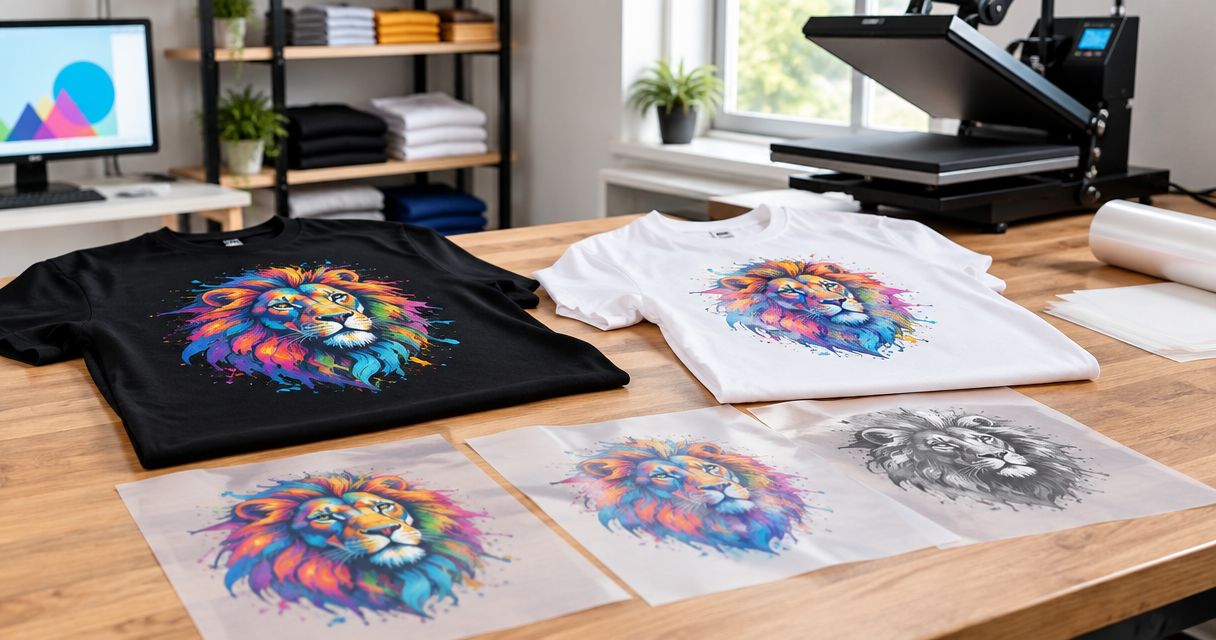
Direct-to-film printing transfers a printed design from film onto a garment using heat and adhesive. It is a useful category to discuss when your fundraiser artwork includes multiple colors or detail that you do not want to redraw as a simpler design. The final result still depends on the garment, artwork, transfer, and application.
Read the T-shirt printing methods guide before choosing solely by the method's name. Ask the shop which process fits your specific order rather than insisting on DTF for every job.
DTF-printed shirts pros:
- Supports multicolor artwork and detailed designs.
- Lets you discuss the design without assuming each color needs a separate screen.
- Works as a print choice within either a bulk or preorder plan.
DTF-printed shirts cons:
- Large solid printed areas add a noticeable layer to the fabric.
- Small artwork details still need review at the intended print size.
- Care instructions matter for the finished garment.
Best for: Fundraisers built around an illustration, detailed logo, or multicolor campaign graphic.
Ask to see the design at its proposed size. A large chest graphic and a small pocket graphic are different production briefs, even when they use the same file. Check fine lettering and any sponsor names before approving the proof.
For 2026 artwork, keep essential information readable without relying on tiny text. Your shirt should identify the cause; it does not need to reproduce the entire event flyer.
Verdict: Buy when detailed artwork is central and the print size suits the garment.
4. Single-location printed shirts: best for a simpler production brief
A single-location shirt puts the fundraiser design in one position, such as the front or back. You keep the garment choices and artwork versions consistent across the order. This is the budget-first approach to quote because it removes additional printed locations from the job.
It is not a claim that every single-location order costs less than every alternative. Garment choice, quantity, artwork, and printing method still determine the quote. The point is to remove optional complexity before comparing offers.
Single-location printed shirts pros:
- One print position makes the production request clearer.
- A shared design avoids separate artwork versions for each group.
- Proof review has fewer placements to check.
- Your cause stays visually focused rather than competing with extra messages.
Single-location printed shirts cons:
- Sponsors and event details must share the same design space.
- Information appears on only the chosen side of the shirt.
- A crowded layout can defeat the benefit of simplification.
Best for: A nonprofit prioritizing a straightforward shirt order over multiple sponsor placements.
Decide what must appear before asking for a quote. If the nonprofit name and campaign graphic do the job, do not add sleeve printing just because space exists. If sponsor recognition is required, agree on its placement before artwork approval.
Verdict: Buy when one clear design meets the fundraiser's needs.
5. Volunteer-only shirts: best for identifying event staff
A volunteer-only shirt order serves an operational purpose: attendees can identify the people working the event. Your quantity comes from the volunteer roster rather than projected merchandise sales. Keep this order separate from supporter shirts when tracking the fundraiser's spending.
Arif Printing's custom T-shirt service is relevant to local nonprofit volunteer orders; eligibility for no-minimum work and the production schedule still depend on the job. Ask about your actual quantity instead of assuming a small order has the same terms as a bulk run.
Volunteer-only shirts pros:
- A named roster gives you a concrete starting quantity.
- Collected sizes reduce guesswork.
- A distinct design can identify event staff.
Volunteer-only shirts cons:
- These shirts are an event expense, not resale income.
- Last-minute volunteer changes create extra coordination.
- Date-specific artwork limits reuse at later events.
Best for: Check-in teams, event helpers, and other volunteers who need clear identification.
For recurring events, consider leaving the year and event date off the volunteer design. Keep 2026-specific messaging on the supporter shirt if it matters to the campaign. That separates a reusable staff garment from commemorative merchandise.
Verdict: Buy for an identified volunteer list; skip speculative extras.
How the options rank
The ranking prioritizes confirmed demand, quote clarity, artwork fit, size control, distribution, and repeat-order planning. Locally coordinated bulk shirts come first for a confirmed group; preorders take priority when demand is uncertain. DTF addresses artwork requirements, single-location printing addresses job complexity, and volunteer-only orders address event staffing.
These are use-case recommendations, not wear-test scores or a comparison of unnamed shirt brands. The best choice changes when your order's main constraint changes.
Before you approve the order
Get the production brief into one place. A scattered email thread makes it too easy for an old size count or outdated design to survive into the final order.
- Confirm demand: Separate paid supporters, volunteers, and uncommitted interest.
- Collect sizes: Record each person's selection and reconcile the totals.
- Approve artwork: Check spelling, sponsor names, print dimensions, and placement.
- Confirm handoff: Agree on the production schedule and pickup responsibility.
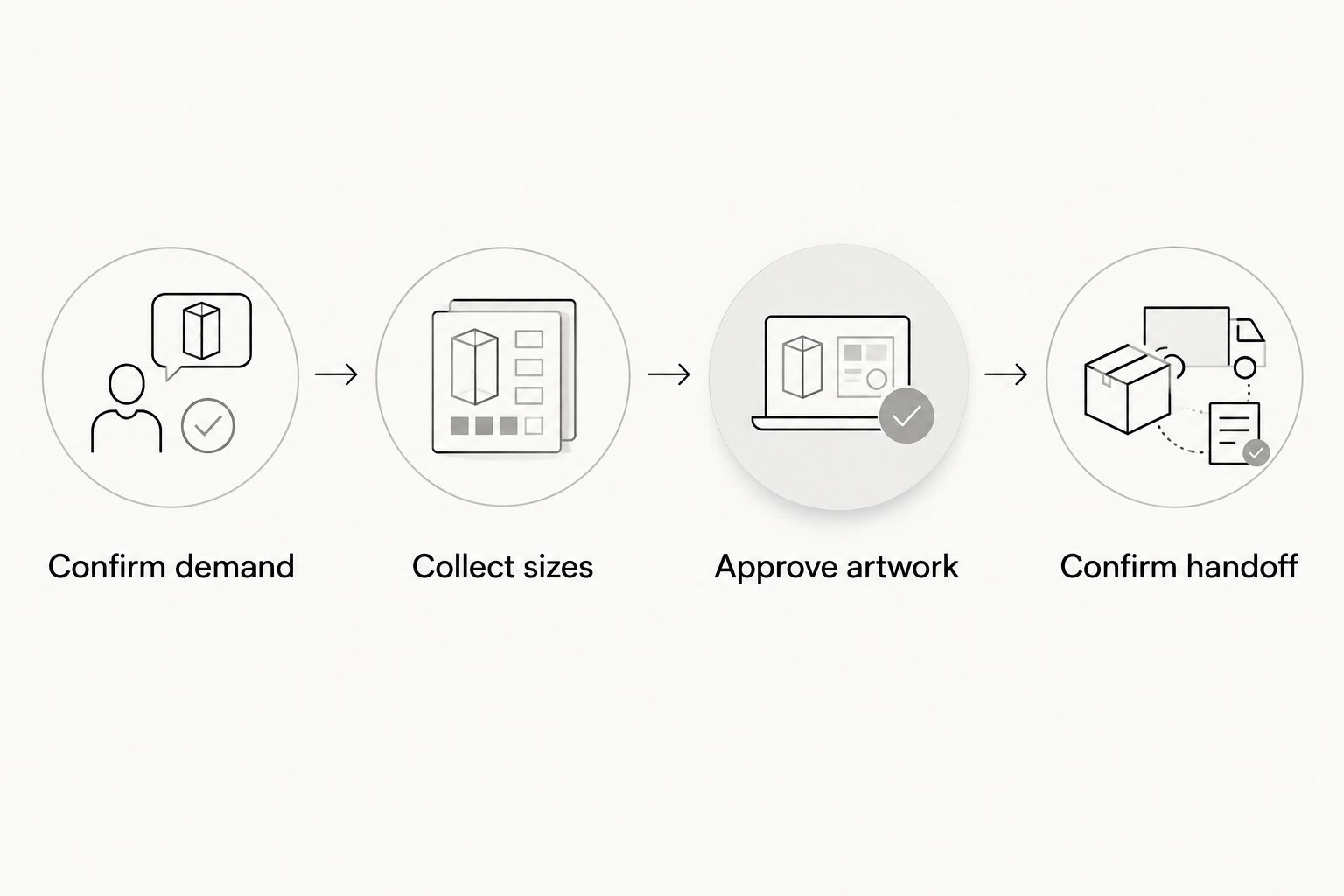
Ask for the final quote against that exact brief. If you change the garment, add a print location, or revise the quantity, have the quote updated. A proof approves the design; it does not replace confirmation of the full order details.
Plan your fundraiser shirt order
Bring your quantity, size list, artwork, and event deadline to the shop discussion.
Which fundraiser T-shirt option should you choose?
Choose a locally coordinated bulk order when demand is confirmed. Choose preorders when it is not. Then select the printing method and number of print locations around the approved artwork.
For Aurora and Denver-area nonprofits, Arif Printing is a local custom T-shirt option for discussing that production brief. Bring the actual quantity and deadline. Same-day work depends on the queue; do not build your fundraiser plan around an unconfirmed rush request.
FAQ
What's the best custom T-shirt option for a nonprofit fundraiser?
A locally coordinated bulk order is the best default for a confirmed group; preorders are better when buyer demand is uncertain. Choose the printing method after you settle the quantity, artwork, and distribution plan.
Should our nonprofit preorder shirts or buy them before the event?
Use preorders when you do not have reliable demand for event-day shirt sales. Buying ahead puts leftover-shirt risk on your organization, so base that decision on actual commitments rather than hoped-for attendance.
Is DTF better than screen printing for fundraiser shirts?
DTF is a useful option for detailed or multicolor artwork, but it is not the automatic winner for every fundraiser. Have the shop compare methods against the same garment, quantity, design, and print locations.
How many fundraiser shirts should we order?
Order from confirmed buyer commitments and a collected volunteer size list. Quantity checkpoints such as 12 shirts, 24 shirts, 50 shirts, and 100 shirts help structure quote questions; they are not a reason to order unwanted extras.
How do we keep the shirt production request simple?
Use one approved design and one print location when that meets the fundraiser's needs. Confirm the garment, sizes, artwork, and handoff deadline before comparing quotes.
Can Arif Printing help with a small nonprofit shirt order?
Arif Printing offers custom T-shirts and artwork help for local buyers. Ask whether your particular job qualifies for no-minimum ordering and confirm its production schedule before announcing a pickup date.
Should volunteer shirts include the event year?
Leave the year off volunteer shirts when you want to reuse the design at later events. Put 2026-specific details on commemorative supporter shirts when those details serve the campaign.
One last thing
The extra shirt is not a saving if nobody wants it. Before rounding up to a quantity checkpoint, name the person or purpose for each additional shirt. Keep any deliberate spare stock separate from confirmed orders so the board can see the decision clearly.